University of Pittsburgh (PA) Locale: Pennsylvania Study: Testing a novel mechanism of forest understory invasion by garlic mustard: short- and long-term impacts.
In Pennsylvania’s forests, about 70% of all plants rely on a cooperative relationship with a unique group of fungi (arbuscular mycorrhizal fungi) to obtain the nutrients they need to survive. Ms. Hale’s research examines how toxic chemicals produced by garlic mustard, a widespread invasive plant, disrupt this beneficial synergy and destabilize the health of our native forests.
Audio:
Video:
Vandana Krishnamurthy
“Cycads”
University of Hawaii (HI) Locale: India Study: Ethnobotany, trade and population dynamics of the endemic Cycads species.
Ms. Krishnamurthy investigates conservation issues associated with the harvesting of two endangered species of Cycads in the Western Ghats of Southern India. Increasing commercial pressures are leading to the disappearance of these ancient, slow- growing plants, which have long been used by indigenous peoples for food, medicine and ceremonial purposes. A deeper understanding of the harvesting, trade and other factors that impact cycads is crucial to their long-term preservation.
Audio:
Video:
Lisa Offringa
“Ginger”
City University of New York (NY) Locale: Thailand Study: Identifying plants used by traditional healers for the treatment of dementia.
Traditional medicine in Thailand (a mix of Chinese medicine and Ayurveda from India) offers promising plants to investigate for compounds that are active against age-related memory loss. Through interviews with indigenous healers, Ms. Offringa is documenting traditional herbal medicines to treat mild cognitive impairment and slow the progress of dementia. In collaboration with Thai academic and botanical institutions, plants will be identified to species, collected, and tested for efficacy using contemporary Western laboratory methods.
Audio:
Video:
Sushma Shrestha
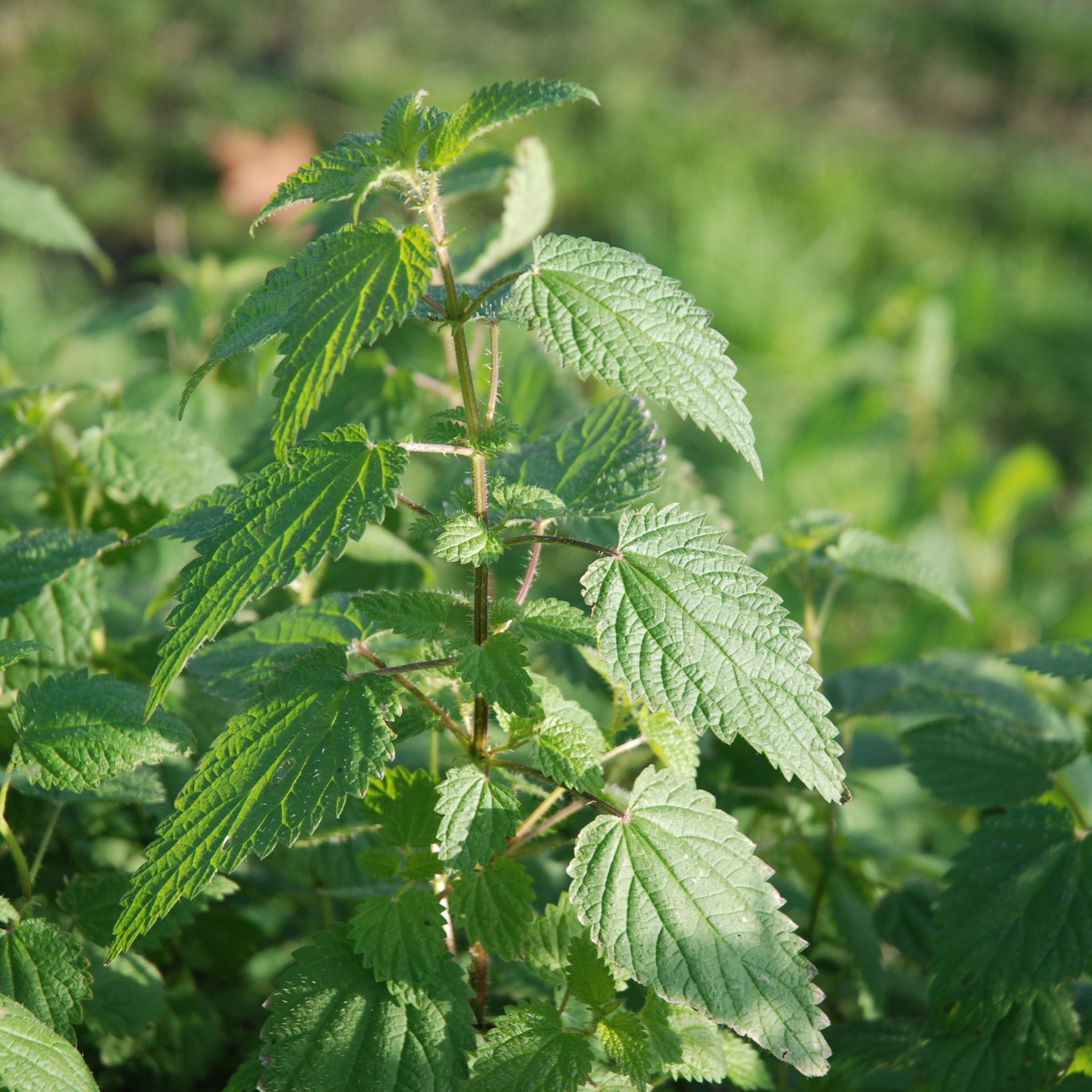
“Stinging Nettles”
Miami University (OH) Locale: Nepal Study: Integrating community forest ecological and ethno-botanical knowledge for biodiversity conservation.
Ms. Shrestha’s study applies state-of-the-art methods to address the practical question of how to scientifically map biodiversity and conservation, and at the same time map what the indigenous population knows about the landscape, its contents and its uses. The goal is to develop a scientifically and culturally informed conservation plan for a remote biodiversity hotspot in the eastern Himalayas. Her work has received the Richard Evans Schultes Award from the Society for Economic Botany and a Dissertation Fellowship from the National Science Foundation.
Audio:
Video:
Olyssa Starry
“Stonecrop / Wall Pepper”
University of Maryland Locale: Maryland, United States Study: The role of green roof plants in urban storm water management.
Green roofs offer an important solution to the problem of urban storm water management, retaining as much as 80% of rainwater they receive from small storms. However, not enough is known about how much water these structures retain under different environmental and planting scenarios. Ms. Starry’s research examines the role of three species of Sedum in the rainwater retention of green roof systems through both careful measurement of water in the substrate and plant, as well as changes in the condition of the plants.
Audio:
Video:
Anita Varghese
“Frankincense”
University of Hawaii (HI) Locale: India Study: Community based ecological monitoring and its implications for conservation in the Nilgiri Biosphere Reserve.
Ms. Varghese’s valuable case study links science-based research with traditional plant knowledge to assess the status of two medicinally important species in India’s Western Ghat’s region. By examining the motivations and practices of indigenous harvesters of medicinal plants, and tracking the impact of harvest methods on plant populations, her research will yield direct insight for improved conservation of ecologically and culturally important medicinal plants and their habitats.