Purdue University (IN) Locale: Nepal, United States Study: Neuroprotective effects of Nepalese and Native American traditional medicine on Parkinson’s disease models.
The natural and social diversity of Nepal and the United States represents a great opportunity to research a wide range of traditional medical treatments. Ms. Jacquet focuses her research on the discovering whether the plants used in Nepalese and Native American traditional medicine have a high potential to alleviate neuron death and changes in brain cells associated with Parkinson’s Disease. Her study is designed to meet the United Nations’ Millenium Development Goal #1: “Eradicate poverty and hunger,” by initiating new discussions in the field of public health policy, and the preservation of traditional practices.
Audio:
Video:
Anita Varghese
“Black Pepper”
University of Hawaii (HI) Locale: India Study: Community based ecological monitoring and its implications for conservation in the Nilgiri Biosphere Reserve
Ms. Varghese’s valuable case study links science-based research with traditional plant knowledge to assess the status of the frankincense tree found in the forests of India’s Western Ghats region. By studying the biology of the trees in response to harvesting and understanding the motivations and practices of indigenous harvesters of medicinal plants products like frankincense, her research will yield direct insight for improved conservation of ecologically and culturally important medicinal plants and their habitats. Her research seeks to involve local harvesters of wild plants in the long term monitoring of forests, thereby bringing their observations and knowledge on board for conservation action.
Audio:
Anna Johnson
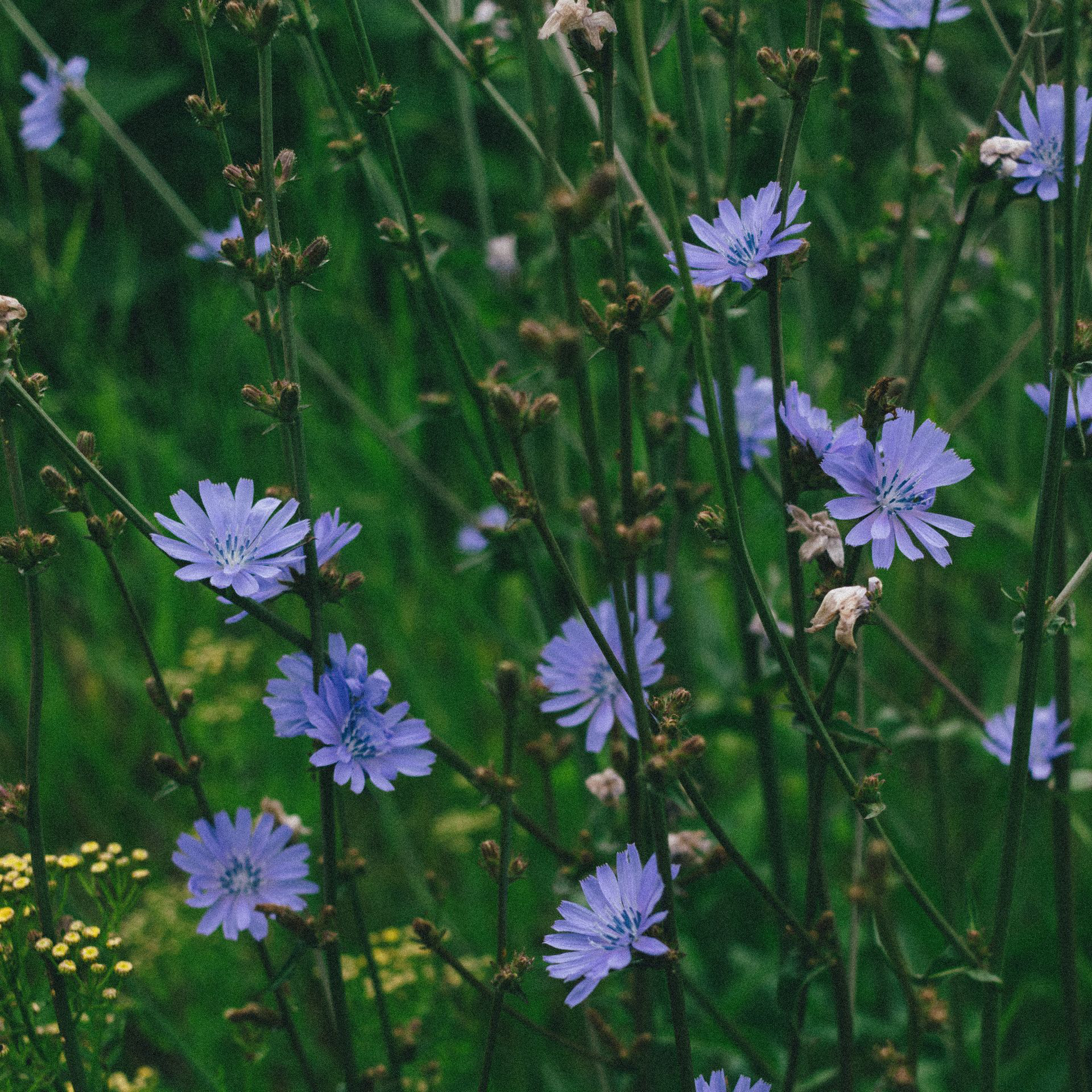
“Chicory”
University of Maryland Baltimore County (MD) Locale: Maryland Study: Novel Urban Plant Communities: Causes and Consequences of Diversity
Ms. Johnson is an urban ecologist whose research involves looking at vacant lots in Baltimore and trying to understand what the combination of human and natural processes are that create the plant communities we see. Her research looks to explore how restoring the diversity of the regional pool of possible species interacts with variation in local environmental conditions caused by legacies of human land-use. Her work will help to inform future urban restoration efforts.
Audio:
Video:
Jessica B. Turner
“Ginseng”
West Virginia University (WV) Locale: West Virginia Study: The Root of Sustainability: Understanding and implementing medicinal plant conservation strategies in the face of land-use change in Appalachia.
Medicinal plants are economically and socially important plants throughout Appalachia. Due to unethical harvesting and human-caused habitat loss, these plants are becoming increasingly rare. Ms. Turner seeks to understand whether or not reintroduced ginseng and goldenseal will survive and grow on mined lands, as compared to land that was previously used for agriculture and a mature forest.
Audio:
Video:
George Meindl
“Sheep’s Sorrel”
University of Pittsburgh (PA) Locale: Pennsylvania and California Study: Assessing the potential for cascading effects of heavy metal soil pollution: plants and pollinators
Mr. Meindl focuses his research on phytoremediation, which involves the study of certain plant species that absorb soil metals and store them in above ground tissues, such as stems and leaves. Human land use, including agriculture, mineral mining, and industry, has resulted in toxic levels of heavy metal contamination in many areas. His project seeks to determine the potential risks phytoremediation poses to local insect populations, particularly pollinators.
Audio:
Video:
Samantha Davis
“Two-Leaved Toothwort”
Wright State University Locale: Ohio Study: The direct and indirect effects of plant invasion on a rare woodland butterfly
Ms. Davis documents how the rampant spread of garlic mustard contributes to the decline of the rare “West Virginia White” butterfly, driving out native host plants on which this woodland pollinator depends. She is among the first to document such a relationship. Her work serves as a model for other conservation and habitat restoration studies.
Audio:
Video:
Kelly Ksiazek
“Nodding Onion”
Northwestern University Locale: Illinois Study: Conservation of forb species in urban environments: can green roofs provide sustainable habitat for native prairie plants
Ms. Ksiazek’s research investigates the degree to which plants that grow on green roofs are inbreeding or reproducing with plants from other habitats such as those on the ground. If green roof plants are able to produce a wide genetic variety of offspring as they would in their natural habitat, then these unique green rooftops could be very helpful in providing places for plants and animals to live in the future.