Study: The Root of Sustainability: Understanding and Implementing medicinal plant conservation strategies in the face of land-use change in Appalachia.
Medicinal plants are economically and socially important plants throughout Appalachia. Due to unethical harvesting and human-caused habitat loss, these plants are becoming increasingly rare. Ms. Turner seeks to understand whether or not reintroduced ginseng and goldenseal will survive and grow on mined lands, as compared to land that was previously used for agriculture and a mature forest.
Audio:
Video:
Chelsie Romulo
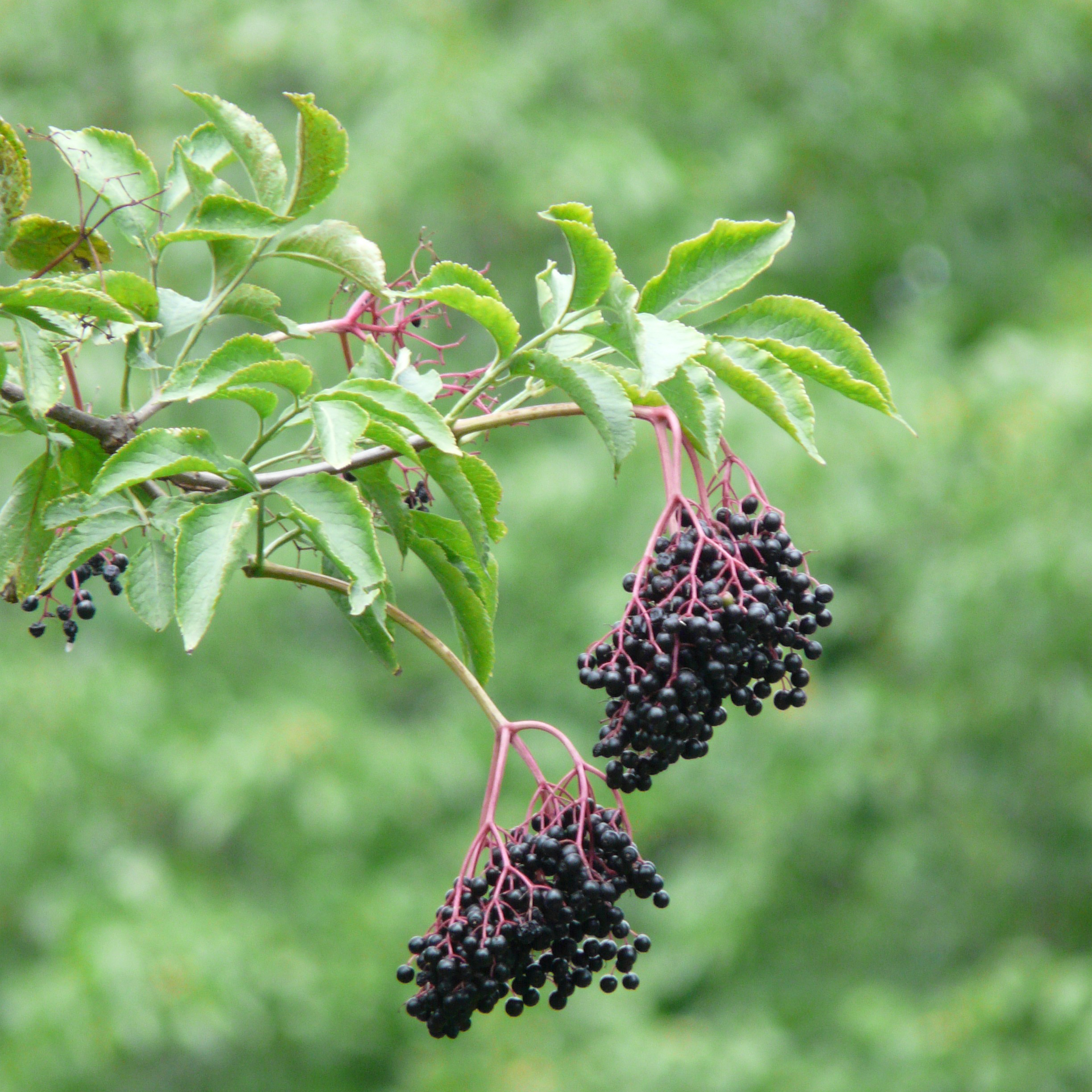
“Elderberry”
George Mason University (VA)
Locale: Peru
Study: Working to conserve and sustainably mange the ecologically, culturally, and economically important palm tree Mauritia flexuosa (aguaje) in the Peruvian Amazon.
The aguaje palm tree covers approximately 10% of the Peruvian Amazon. Its fruit supports many different animal species in the Amazon rainforest. The fruit is harvested from the wild and sold in the city of Iquitos. Using satellite images from the NASA Landsat program, Ms. Romulo’s dissertation research proposes to produce recommendations for the conservation and sustainable management of this threatened palm and the forest.
Audio:
Video:
Andrea Drager
“Moabi”
Rice University
Locale: African rainforests
Study: Staying connected: How pollination relates to tree density in the Afrotropics.
Ms. Drager studies plant-pollinator interactions in the Congo Basin rainforest. These forest communities have hundreds of tree species and this means many of them are rare. She wants to understand how rare trees compete for pollinators and whether or not they are as successful as common species.
Audio:
Video:
Ryan Unks
“Pencil Euphorbia/Pushirooti”
University of Georgia
Locale: Kenya
Study: An interdisciplinary approach to explore how livelihoods and landscape-level ecological processes are related in Laikipia, Kenya.
Mr. Unks research focuses on recent changes in herding practices and vegetation in East Africa. He’s using an interdisciplinary approach to explore how livelihoods and landscape-level ecological processes are inter-related in Laikipia, Kenya. He’s also interested in understanding how different herders view changes in plant communities and how these changes are impacting livelihoods.
Audio:
Video:
Rebecca Dalton
“Spring Beauty”
Duke University
Locale: Colorado
Study: Ecology and evolution of flowering plants in a changing climate.
Due to human consumption of natural resources and production of industrial pollutants, global changes are occurring. One noticeable change in our ecosystem is earlier appearance of vegetation and flowers and these changes may influence how plants and their pollinators interact. Ms. Dalton seeks to examine how flowering species in Colorado are affected by earlier flowering and if and what the consequences may be for future population growth.