Study: Diversity and classification of the Myrtle Family in the Caribbean Islands Biodiversity Hotspot.
The Caribbean Islands qualify as a hotspot of biodiversity due to their wealth of unique species at risk of extinction. The myrtle family, a large group of tropical trees and shrubs, includes over 500 species in the Caribbean. Mr. Flickinger’s research aims at discovering the relationships between species in the myrtle family across the region to better understand this significant component of tropical forests.
Audio:
Video:
Chelsie Romulo
“Turtlehead”
George Mason University (VA)
Locale: Peru
Study: Working to conserve and sustainably mange the ecologically, culturally, and economically important palm tree Mauritia flexuosa (aguaje) in the Peruvian Amazon.
The aguaje palm tree covers approximately 10% of the Peruvian Amazon. Its fruit supports many different animal species in the Amazon rainforest. The fruit is harvested from the wild and sold in the city of Iquitos. Using satellite images from the NASA Landsat program, Ms. Romulo’s dissertation research proposes to produce recommendations for the conservation and sustainable management of this threatened palm and the forest.
Audio:
Video:
Andrea Drager
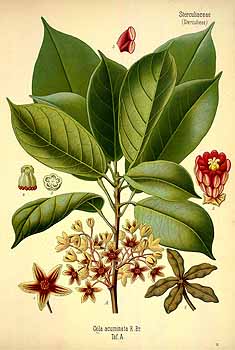
“Kola Nut”
Rice University
Locale: African rainforests
Study: Staying connected: How pollination relates to tree density in the Afrotropics
Ms. Drager studies plant-pollinator interactions in the Congo Basin rainforest. These forest communities have hundreds of tree species and this means many of them are rare. She wants to understand how rare trees compete for pollinators and whether or not they are as successful as common species.
Audio:
Video:
Sarick Matzen
“Tulsi”
University of California, Berkeley (CA)
Locale: California
Study: Plant-based soil remediation: The effects of soil characteristics on arsenic uptake in the brake fern, Pteris vittata
Soil contamination is a common barrier to urban agriculture. Mr. Matzen works on affordable, sustainable soil remediation methods. H studies plant-based soil clean-up methods, using the brake fern, Pteris Vittata, which accumulates high concentrations of arsenic in its fronds. He then harvests the fronds to remove arsenic from the site, leaving the soil in place. He investigates how soil characteristics affect arsenic uptake in the fern.
Audio:
Video:
Morgan Roche
“Jewelweed”
University of Tennessee (TN)
Locale: Tennessee
Study: Mechanisms of Biodiversity loss following the spread of an invasive plant.
Invasive plants cause immense damage to our natural ecosystems, including the loss of native plants, animals, and microbial organisms. Ms. Roche’s research works to understand how and why we are losing this important native diversity.
Audio:
Rebecca Dalton
“Red Clover”
Duke University (NC)
Locale: Rocky Mountains
Study: Understanding how climate change affects plant-pollinators and plant-plant interactions.
With earlier and earlier snowmelt due to global warming, subalpine flowering plants are blooming earlier than they have in the historical past. Although warming affects all plants and their pollinators, each species responds slightly differently. Ms. Dalton studies how changes in timing of flowering and insect emergence affect species interactions.