Study: Diversity and classification of the Myrtle Family in the Caribbean Islands Biodiversity Hotspot
Saw palmetto is a palm-like plant with berries. The berries were a staple food and medicine for the Native Americans of the southeastern United States. Today, the primary use of saw palmetto is to treat benign prostatic hyperplasia (BPH), a non-cancerous enlargement of the prostate gland.
Audio:
Video:
Betsabé Castro-Escobar
“Broadleaf Plantain”
University of California, Berkeley
Locale: California
Study: Calabash Trees: Uses, selection and phenotypic variation in the Caribbean Island of the Greater Antilles
Broadleaf plantain is probably the second most common broadleaf weed of turf after dandelion. It is extremely well adapted to most sites including dry or wet conditions, heavy soils and very low mowing heights. It is as much of a weed of roadsides and pastures as it is of manicured landscapes.
Audio:
Video:
Toby Liss
“Sassafras”
SUNY College of Environmental Science and Forestry
Locale: New York
Study: How plant assemblage diversity affects green root function
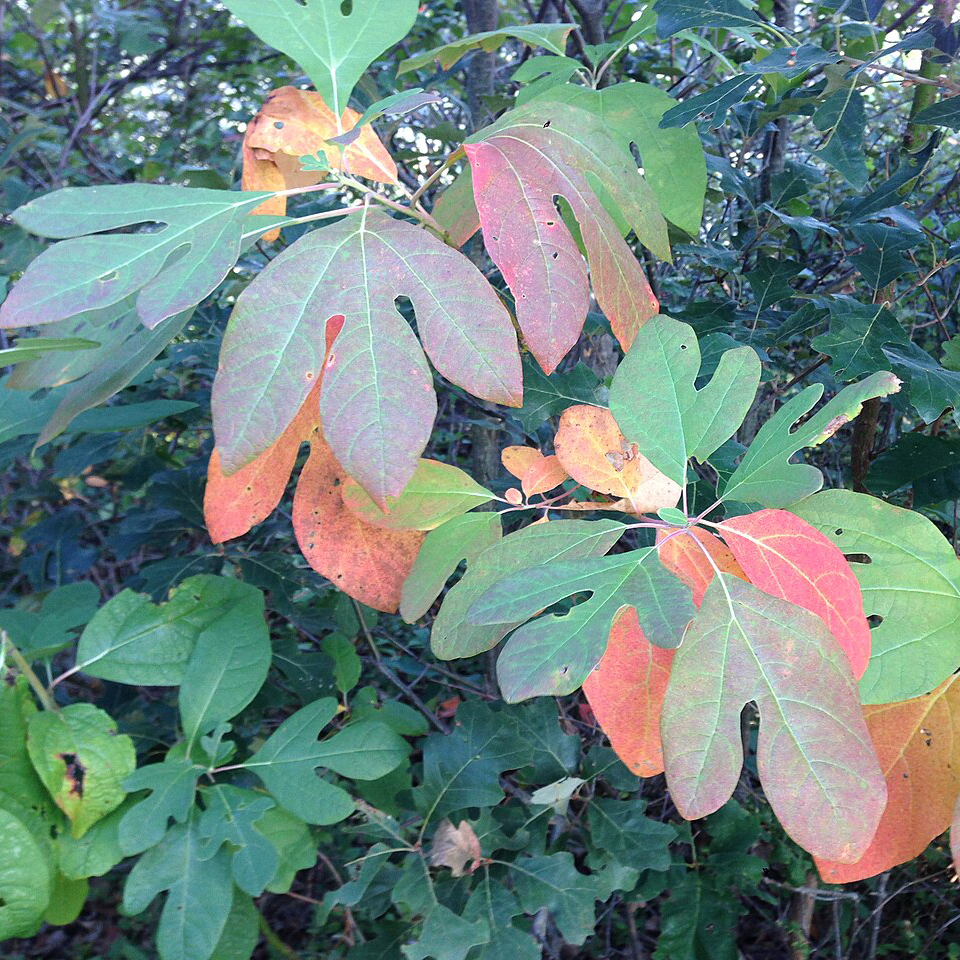
Sassafras is a deciduous North American tree with aromatic leaves and bark. The leaves are infused to make tea or ground into filé.
Audio:
Video:
Sarick Matzen
“Gray’s Licorice-Root”
University of California, Berkeley
Locale: California
Study: Plant-based soil remediation: the effects of soil characteristics on arsenic uptake in Pteris vittata.
Ligusticum grayi is a species of flowering plant in the carrot family known by the common name Gray’s licorice-root. It is native to the western United States from Montana to California, where it grows in moist, mountainous habitat, such as meadows and forest floors.
Audio:
Video:
Ashley McGuigan
“Goatweed”
University of Hawaii
Locale: Hawaii
Study: Agroforest resilience and contributions to nutritional diversity in Fiji.
It is a deciduous perennial growing to 30 cm (12 in), with bright red stems with green heart-shaped leaves (copper-tinged when young) which are slightly hairy on the bottom. In spring it produces pink, white, yellow or purple long-spurred flowers.
Audio:
Video:
Nicole Tiernan
“Aloe Vera”
Florida International University
Locale: Florida
Study: Endemic Plumeria in Cuba
Aloe vera is a plant species of the genus Aloe. It grows wild in tropical climates around the world and is cultivated for agricultural and medicinal uses. Aloe is also used for decorative purposes and grows successfully indoors as a potted plant.