Study: Consequences of herbicide drift on plant mutualisms with pollinators and bacteria
Showy, elongate clusters of purple, pea-like flowers top the 1-2 ft. stems of this perennial lupine. Blue, pea-like flowers are in an upright, elongated, terminal cluster on an erect stem with palmately compound leaves.
Audio:
Video:
Sarah Klionsky
“Cranberry”
University of Connecticut
Locale: Connecticut
Study: Influence of plant community traits and nitrogen removal in restored wetlands
Cranberry is native to central and eastern Canada and the northeastern and north-central United States. It is a perennial shrub with white or pink flowers along with sour-tasting red or pink berries.
Audio:
Video:
Haley Lewis
“Goldenrod”
Northwestern University
Locale: Illinois
Study: Green infrastructure’s use to improve stormwater management and biodiversity
Goldenrod is a genus of about 100 to 120 species of flowering plants in the family Asteraceae. Most are herbaceous perennial species found in open areas such as meadows, prairies, and savannas. They are mostly native to North America, including Mexico. The many goldenrod species can be difficult to distinguish, due to their similar bright, golden-yellow flower heads that bloom in late summer.
Audio:
Florencia Pech-Cardenas
“Epazote”
University of Minnesota
Locale: Yucatan, Mexico
Study: Handicraft production influences on livelihood in Mayan communities
Epazote is an annual or short-lived perennial herb native to Central America, South America, and southern Mexico whose name is derived from Nahuatl languages. Ideally collected before going to seed, epazote is used as a leaf vegetable, herb, and herbal tea for its pungent flavor.
Audio:
Video:
Amanda Thiel
“Chipilin”
Washington State University
Locale: Southern Mexico
Study: Botanical knowledge conservation amidst globalization on Mayan communities.
Chipilín, is a perennial legume that is native to Mexico and Central America. Chipilín leaves are a common leafy vegetable in the local cuisines of southern Mexico, including Chiapas, Oaxaca, and Tabasco, and Central America, especially El Salvador and Guatemala. The leaves are high in iron, calcium, magnesium, and beta carotene. They can be boiled and served green, dried and used as an herb, or added to tamale doughs for color and flavor.
Audio:
Video:
Emily Thyroff
“’Uhaloa”
University of Hawai’i at Mānoa
Locale: Hawai’i
Study: Use of endemic Santalum species in restoring Hawaiian dry forests
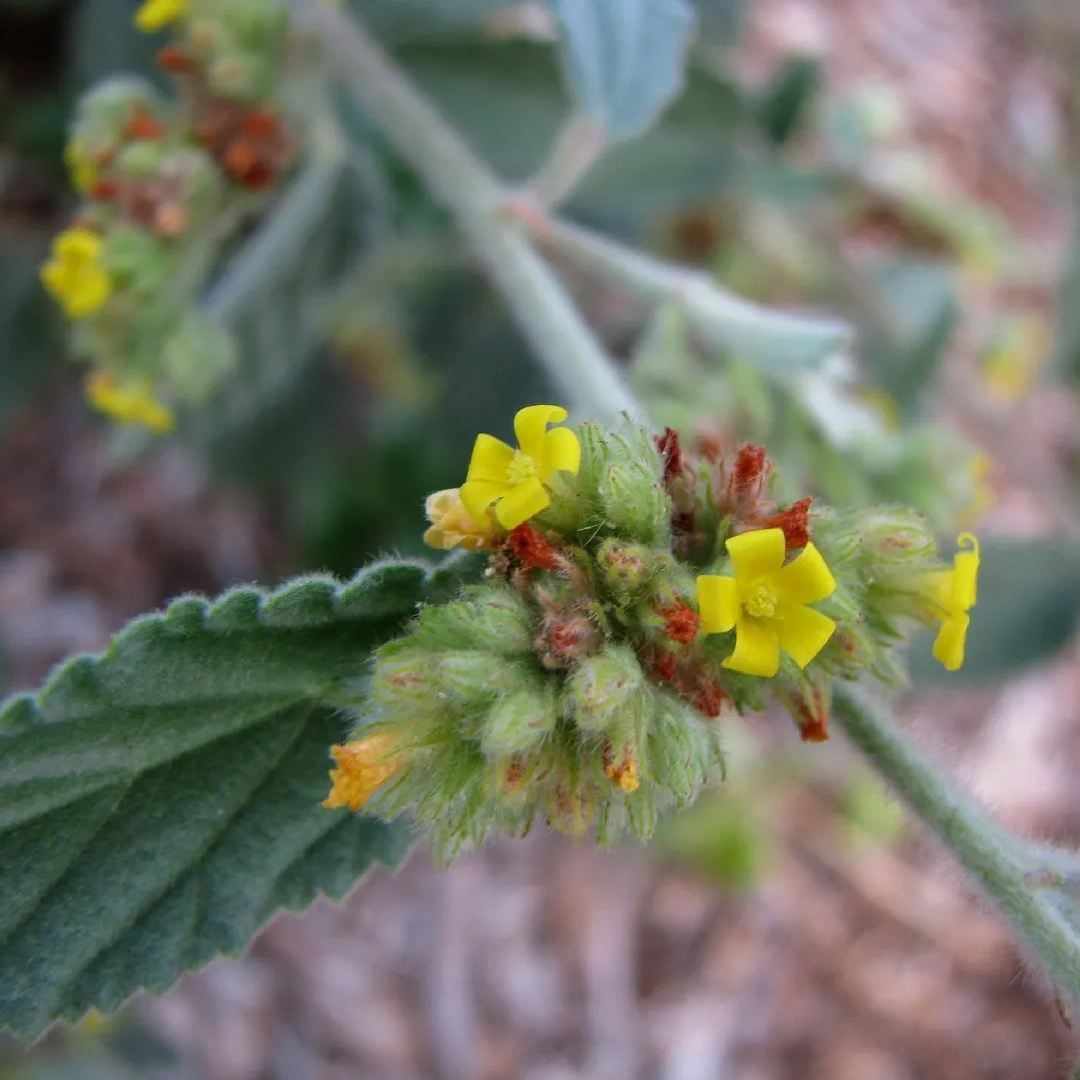
‘Uhaloa is a species of flowering plant in the mallow family, Malvaceae, that has a wide tropical distribution. It is a short-lived subshrub or shrub, reaching a height of 6 ft and is most common in dry, disturbed or well-drained, moist habitats.
Audio:
Video:
Alexa Wagner
“Paw paw”
Case Western Reserve University
Locale: Ohio
Study: Impacts of forest restoration on shifts in the understory plant demographics
Paw paw’s name probably derives from the Spanish papaya, perhaps because of the superficial similarity of their fruits. They are shrubs or small trees 6-30 ft. tall. The northern, cold-tolerant common pawpaw is deciduous and forms flowers singly or in clusters of up to eight together. It has a flavor somewhat similar to both banana and mango.
Audio:
Video:
Taylor Zallek
“Salvinia”
University of Pittsburgh
Locale: Pennsylvania
Study: How community evolution to invasive species impacts future invasion success
Salvinia is a small, floating aquatic with creeping stems, branched, bearing hairs on the leaf surface but no true roots. Distribution is mostly tropical, yet is a commonly introduced invasive weed in warm climates.