Study: School yard plant ecologies, biodiversity and classroom engagement
Known also as calabash, a vine grown for its fruit either harvested young to be consumed as a vegetable, or harvested mature to be dried and used as a utensil, container, or a musical instrument. When it is fresh, the fruit has a light green smooth skin and white flesh.
Audio:
Video:
Manuel Bernal Escobar
“Chingalé Jacaranda”
University of Miami
Locale: Colombia
Study: Exploring endemism through a permanent forest dynamics plot, Sierra Nevada de Santa Marta
The tree is evergreen or semi-deciduous and produces bluish purple flowers from August to November. Young trees have a long trunk with no branches. Large leaves grow directly from the top of the trunk giving them an appearance similar to tree ferns. When mature, Jacaranda copaia grows 98 to 115 ft and is normally branch free for more than 50% of its height.
Audio:
Video:
Camille DeSisto
“Madagascar Vanilla”
Duke University
Locale: Madagascar
Study: Integrating diverse knowledge of lemur-plant interactions to advance rainforest habitat restoration
Vanilla grows as an evergreen vine, either on the ground or on trees. In the wild it easily grows to 15 meters in length, and may grow to as much as 30 meters. Fruit is produced only on mature plants, which are generally over(10 ft) long. The fruits are 6–9 in long pods, often incorrectly called beans. Outwardly they resemble small bananas. They mature after about eight to nine months.
Audio:
Video:
Richard Hull
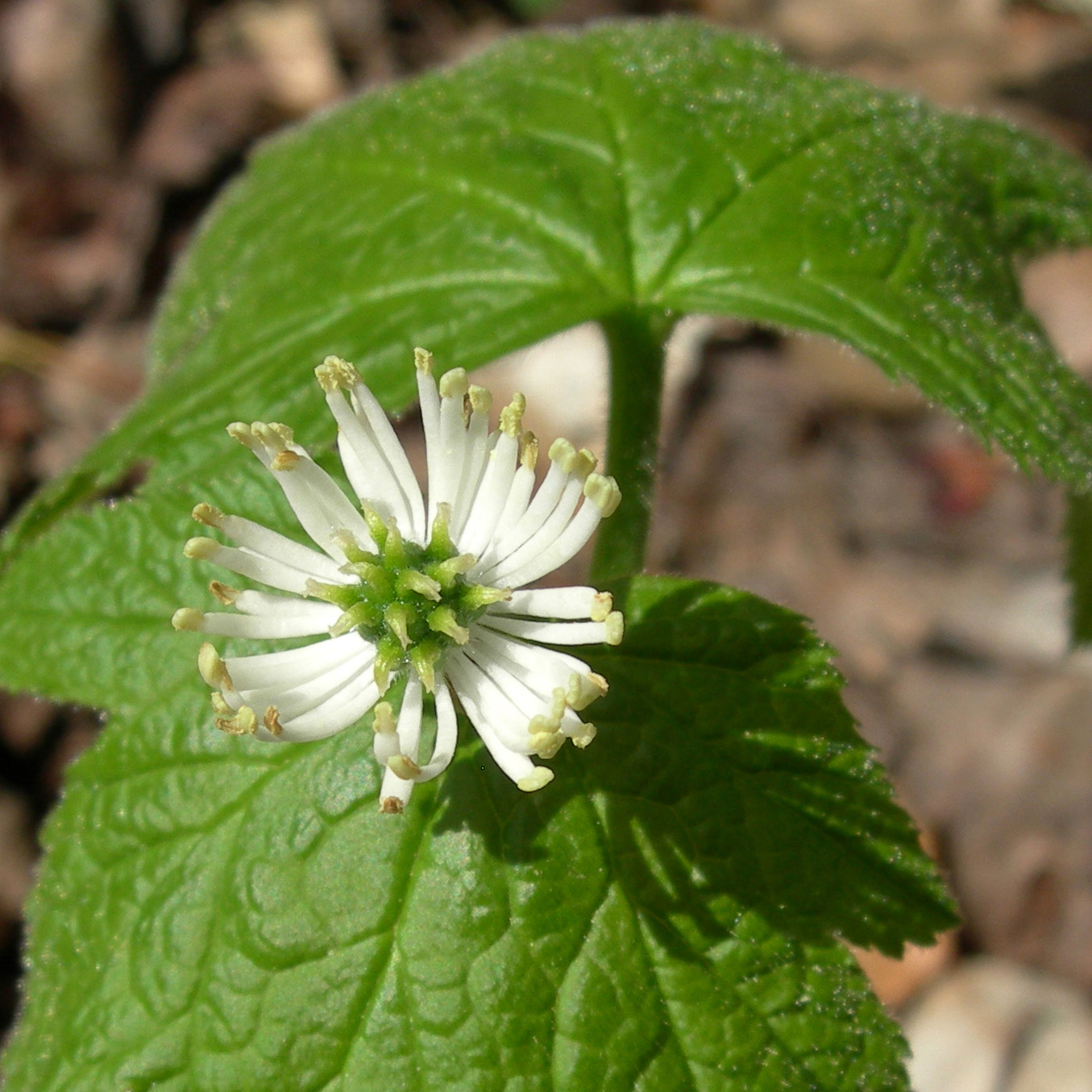
“Goldenseal”
Indiana University
Locale: Indiana
Study: Identifying changes in the Wabash River’s vascular plant flora
Also called orangeroot or yellow puccoon, it is a perennial herb in the buttercup family Ranunculaceae, native to North America. It may be distinguished by its thick, yellow knotted rootstock. The stem is purplish and hairy above ground and yellow below ground where it connects to the yellow rhizome. Fertile plants have a single stem with two palmately lobed leaves. Flowering plants produce a single flower with no petals and three sepals and 12 or more conspicuous white pistils; flowering occurs for a short time in spring.
Audio:
Video:
Lydia Soifer
“Bird’s nest fern”
University of Florida
Locale: Panama
Study: Impacts of land use change on Epiphyte diversity, distribution, and ecosystem function in Panama
Bird’s nest fern forms large simple fronds visually similar to banana leaves, with the fronds growing to 20–59 in long and 3.9–7.9 in broad, with occasional individuals up to 6.6 feet in length by up to 2 feet width. They are light green, often crinkled, with a black midrib. The fern typically grows on organic matter. This fern often lives in palm trees, where it collects water and humus in its leaf-rosette. It thrives in warm, humid areas in partial to full shade.
Audio:
Video:
Cassandra Ziegler
“Ghost pipe”
Duquesne University
Locale: Pennsylvania
Study: Evaluating the impact of ecological forestry gaps on avian diet composition in Western Pennsylvania forests
The plant is waxy white, but some specimens have been described as having black flecks or pale pink coloration. Rare variants may have a deep red color. Unlike most plants, it is white and does not contain chlorophyll. Instead of generating food using the energy from sunlight, it is parasitic, and more specifically a mycoheterotroph. Its hosts are in the Russulaceae family. Through the fungal web of mycorrhizae the ghost pipe roots ultimately sap food from where the host fungi are connected to the photosynthetic trees.